The Question in Every AI Keynote Q&A
There is one question James Taylor gets asked more than any other. In Dubai it was already sitting in the audience's Q&A list before he walked on stage.
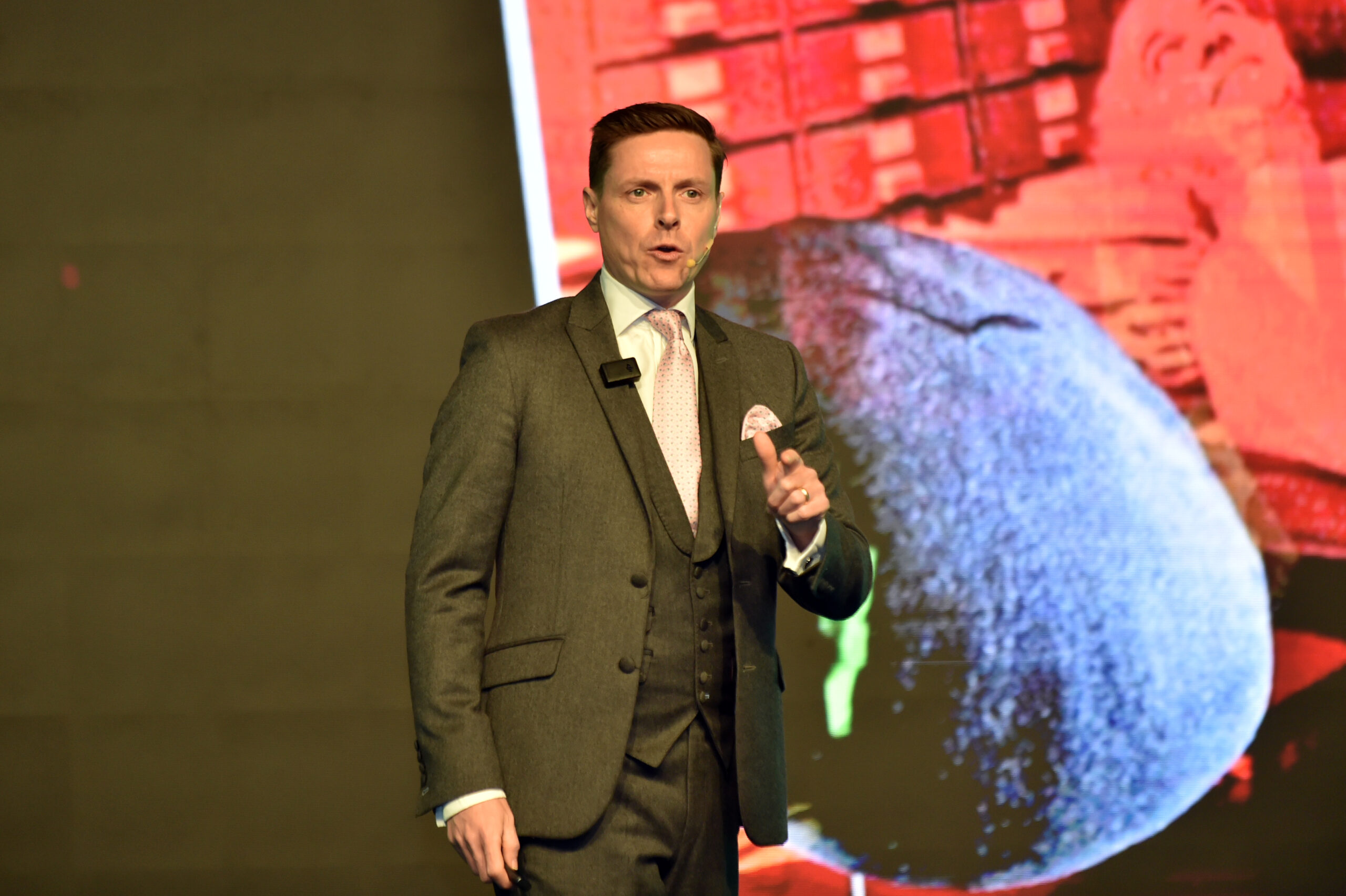
James is a former Dubai resident who now speaks here once or twice a month. This episode was filmed in a very sunny Dubai, at the W Dubai on the Palm Jumeirah, where he was keynoting for a well-known consumer products company in front of 150 to 200 leaders from across the region. It is a venue he recommends on camera for conferences.
His topic was SuperCollaboration, which frames the human and AI relationship as orchestration: how humans and agentic AI play the symphony together. But the question waiting for him was a blunter one.
"Will artificial intelligence destroy lots of middle and senior management jobs in organizations?"
James Taylor, on the question he is asked most
A Dubai Keynote Speaker's Honest Answer
The question about AI and jobs, including middle and senior management, comes up at nearly every AI keynote James gives. Leaders want a yes or a no. He doesn't give them one, because he doesn't think either would be true.
"It depends on the industry, it depends on the organization."
James Taylor
In short, it's complicated. So instead of a prediction, James tells a story from one of his own clients, IBM, where the answer turned out to be the opposite of what most people expected.
IBM Made Itself "Client Zero"
IBM's CEO said that AI could replace thousands of back-office roles. What the company did next is the part James finds most useful for leaders. IBM became "client zero" for its own AI tools, using itself as the first customer for the technology it wanted to use.
Human resources was an early test. The first version of IBM's HR tool was a chatbot that only answered questions. Managers disliked it, and James says its approval rating went negative. It could tell you what to do, but you still had to go and do it yourself.
From a Chatbot That Explains to an Agent That Acts
The fix was to rebuild the tool. IBM moved from a chatbot that explains what to do to an agentic AI that does the task itself.
James gives one example of the difference. He says employee transfers, a routine piece of HR administration, fell from around 20 minutes to under two. The work stopped being something a manager had to read about and then complete. The agent completed it.
For leaders weighing up their own AI projects, the lesson is in that first failed version. A tool that answers questions adds a step. A tool that finishes the task removes one.
Planning a leadership event on AI and the future of work?
Check AvailabilityThe Twist: IBM's Headcount Went Up
Here is where the story turns. IBM's CEO later said that total headcount had increased, not decreased.
Routine HR roles shrank. But the capacity that was freed up was reinvested in marketing, sales and engineering roles, many of them customer-facing. The jobs changed shape and moved to different parts of the business.
What James Sees Across His Clients
IBM is one company, and James is careful not to stretch it into a rule. Across his clients, though, he is seeing a pattern that looks more like IBM than like the headlines: fewer mass layoffs, reduced hiring of new entrants such as apprentices, and a strong push to reskill and upskill the people who stay.
That middle point is the one leaders should sit with. The pressure is falling less on the people already inside the organisation and more on the people who would have been hired next.
"It's not a one size fits all."
James Taylor
Looking for a Keynote Speaker in Dubai?
James lived in Dubai and speaks here regularly at leadership events, sales conferences and large global gatherings. If you are searching for a Dubai keynote speaker, or an AI keynote speaker for a regional or global leadership event, this episode shows how he tackles the hardest question in the room head-on.
To check his availability for your event in Dubai or anywhere else, send an enquiry or email enquiries@jamestaylor.me.